
What Are The Best Espresso Beans?
How to choose the best espresso beans for you (updated 2026)
A really common question we get from customers is “what are the best beans for espresso?” The truth is, there's a lot more to this question than meets the eye. Years of marketing and misinformation have often clouded a fundamental concept: espresso is not a type of coffee bean, but a brewing method. Understanding this opens up a world of possibilities, allowing for a wide range of coffee beans to be used based on your personal flavor preferences. Let's dive into what makes the best espresso beans and how you can choose the right ones for your taste.
Understanding Espresso: Is Espresso A Brewing Method?
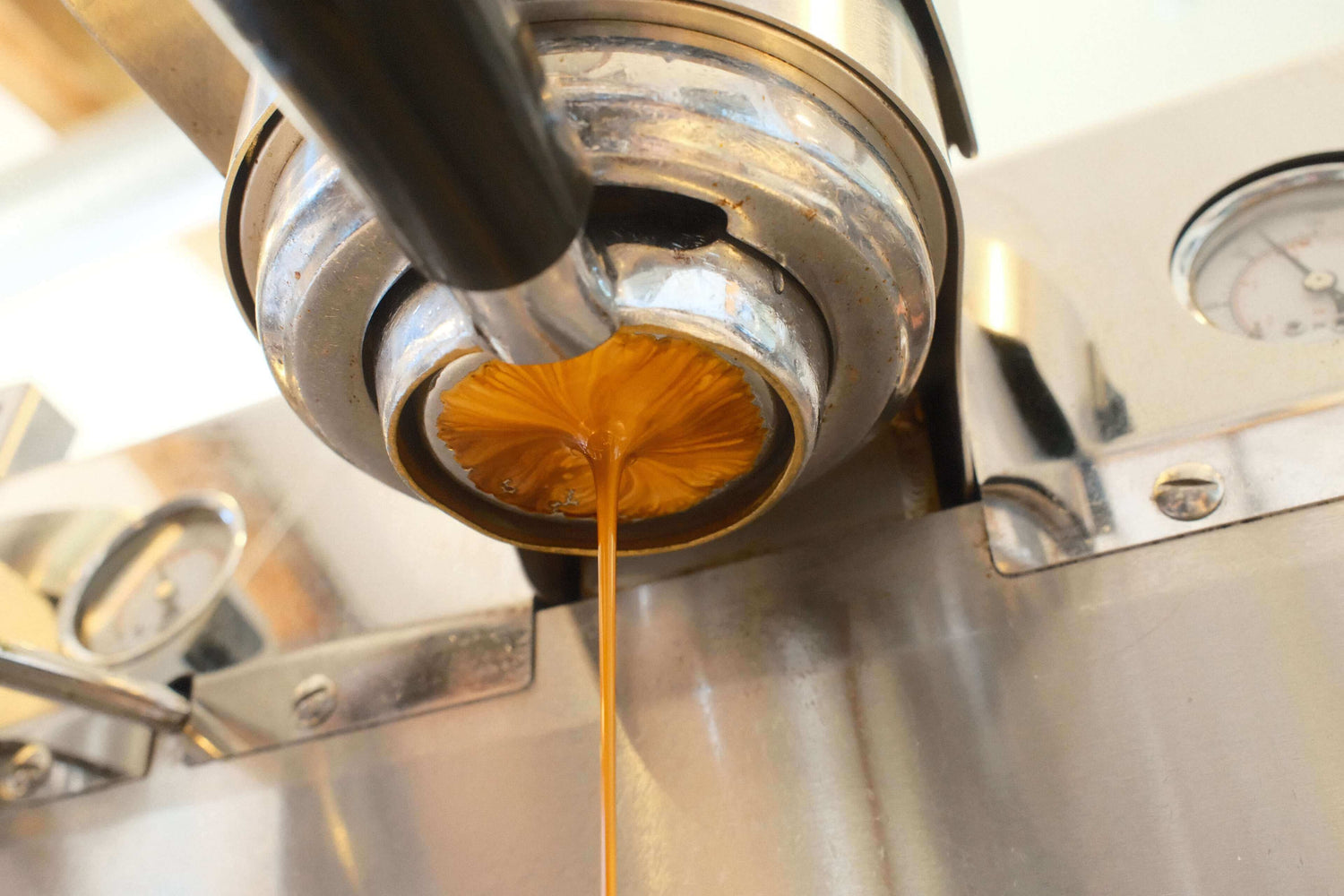
Espresso is a concentrated form of coffee made by forcing hot water through finely-ground coffee beans at high pressure. This intense and quick brewing method extracts a vibrant shot of coffee with the distinctive crema on top. Because espresso is a brewing method rather than a specific type of bean, you can use any coffee beans to make espresso. However, the choice of beans significantly influences the flavor profile of your espresso.
Find The Best Espresso Coffee For You
Answer a few quick questions and we’ll recommend a coffee for your espresso setup.
Do you drink straight espresso or espresso with milk?
What kind of straight espresso do you prefer?
Do you want consistency or variety?
What kind of espresso do you like in milk drinks?
Your espresso match
Based on your answers, we recommend:
Traditional vs. Modern Espresso: The Role of Roast
Commonly, espresso has been associated with darker roasted coffee. These beans typically produce the bold, roasty flavor with slightly bitter aftertaste that many people associate with a classic espresso experience. However, the modern third wave coffee movement has created a new standard of lighter roasted coffees being used as espresso, which in turn create a flavor profile that is brighter, more floral, and lighter bodied.
Dark Roasts: The Classic Espresso Experience
Dark roast beans are often favored for traditional espresso. They offer:
- Dark, Roasty Flavors: Dark roasts provide deep, complex flavors with notes of chocolate, caramel, and sometimes a hint of smokiness.
- Lower Acidity: Often, darker roasted coffee has less perceived acidity in the cup, which is a lot of espresso drinkers’ preference.
- Thick Crema: Darker roasts tend to produce a thicker, more traditional crema, which is the signature layer of foam that forms on most well extracted espresso shots.
Light Roasts: A Modern Take on Espresso
In the newer landscape of third wave coffee, where there is a heavier focus on the terroir of coffee, lighter roasts have become more commonly used for making espresso. Lighter roast coffee beans offer:
- Bright, Fruity Flavors: When coffee is roasted more lightly, more of the inherent character is maintained. This can result in shots of espresso that are brighter, and have more fruit character, as well as a lighter body and more floral mouthfeel.
- Terroir Driven: When coffees are roasted lighter, you can taste and experience more of the terroir, and the characteristics that make them unique and special. This allows for drinking espresso where you can experience and note differences in things like growing country and region, processing methods, plant varietals, and more.
Which Roast For Espresso?
Light Roast Espresso
- Light roasts will offer a lighter bodied, more fruit forward shot of espresso
- Great for highlighting unique and dynamic flavors in espresso.
- Will have more acidity and fruit character.
Medium Roast Espresso
- Slightly more body than a light roast, but still relatively clean
- Brings more roast character to the shot of espresso.
- Shots are more rounded, less acidity, and have more flavors of toasted almond and caramelization .
Dark Roast Espresso
- Dark roasts are the most traditional, or "classic" style for espresso
- Lower acid, bigger body shot of espresso
- Strong, toasty flavors in the cup
- Pairs well with milk and sugar
Explore Our Coffee Blends For Espresso
With unique roast and flavor profiles, our coffee blends provide a wide range of options when it comes to making espresso.
-
Single Origin Subscription
Regular price From $21.00Regular priceUnit price per -
Foundation Blend
Regular price From $16.99Regular priceUnit price per -
Kensington Blend
Regular price From $17.99Regular priceUnit price per -
Keystone Blend
Regular price From $18.99Regular priceUnit price per


Blends or Single Origin For Espresso?
Outside of how dark or light your coffee beans for espresso are roasted, there’s also a decision to be made of whether you’d like to use a coffee blend or a single origin coffee for making espresso. What are the differences?
-
Coffee Blends
EXPLORE OUR COFFEE BLENDSCoffee blends are crafted with balance in mind, and are often much more easy to work with when dialing in your shot of espresso. The consistency of blends and the work done by the roaster to create a balanced, crafted experience can make them really pleasant for working with as espresso.
-
Single Origin Coffee
EXPLORE OUR SINGLE ORIGIN COFFEESingle origin coffees on the other hand are often very unique and have vibrant characteristics that may not always be well balanced. One single origin coffee may have lots of acidity and fruit flavors, while others could be more sugary and nutty in flavor. These experiences will be terroir driven, and very unique, but not always the balanced or consistent experience some people want when making espresso.
Choosing the Best Espresso Beans for You
The best espresso beans for you ultimately come down to personal preference. Here are some tips to help you find your ideal beans:
- Experiment with Roasts: Try both dark and light roasts to see which flavor profile you prefer.
- Consider Blends vs. Single-Origin: Blends can offer a balanced, complex flavor, while single origin beans showcase the unique characteristics of a specific region.
- Try Different Blends or Single Origins: Once you have a feel for if you’re more of a blend or single origin person, make sure you explore different blend and single origin options to find the one with the flavor profile you enjoy the most.
Espresso Subscriptions
Brewing espresso at home? Try a coffee subscription to a blend or single origin, and discover the best coffee for espresso. Our coffee subscriptions always ship free, and you can pause, edit, or cancel any time.
NEW SUBSCRIBERS: USE THE CODE 10FIRST FOR 10% OFF YOUR FIRST THREE SHIPMENTS!
Conclusion
Finding the best espresso beans is definitely a bit of a personal journey. Whether you prefer the traditional flavors of dark roasts or the bright, complex flavors of light roasts, there are tons of options and flavors to explore.