
Can Coffee Expire? Your Ultimate Guide to Coffee Shelf Life and Storage
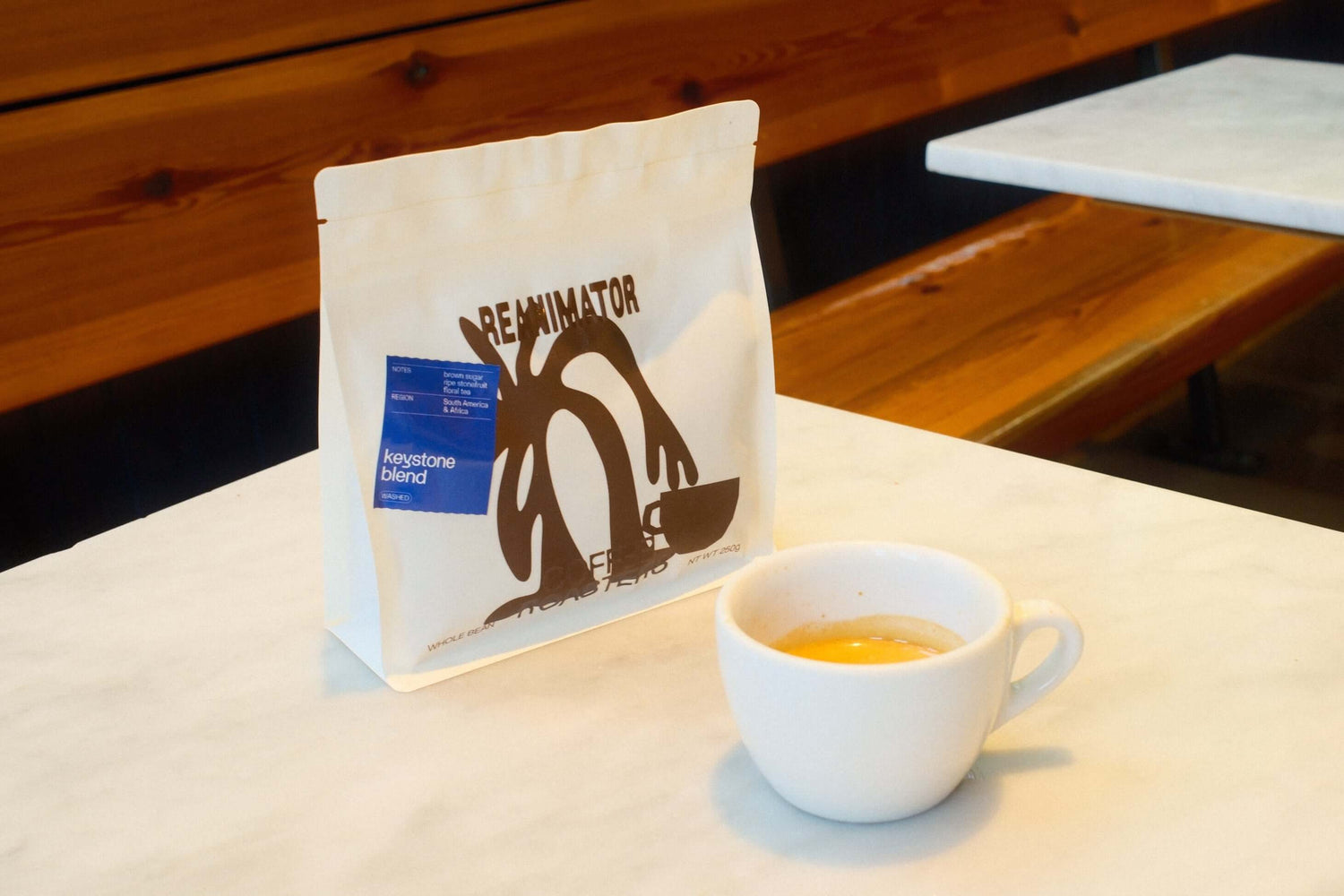
As a specialty coffee roaster, we always prioritize freshness for our customers. This is why we print the roast date of the coffee on every bag of our single origin coffee and coffee blends (something you should always see when buying high quality, specialty coffee). However, the roast date doesn't answer the question of just how long the coffee is good for, or if it ever expires. And this question of how and when coffee loses freshness and goes stale is really common. So in this blog, we'll try and explain it all, and dispel some common myths.
What Is The Shelf Life Of Coffee? Quick Facts
-
Whole Bean Coffee
Generally, whole bean coffee will stay fresh and taste great anywhere from 4-6 weeks from the date it was roasted.
-
Ground Coffee
Ground coffee is usually fresh for about 1-2 weeks from the date it was roasted. Read on to find out why there's such a difference.
The Science Behind Coffee Freshness: Oxidation and Degassing
Two key processes affect the freshness of roasted coffee: oxidation and degassing. Understanding both of these factors can help you understand how and why coffee loses flavor and character over time, and why prioritizing buying coffee that has been roasted recently (and is transparent about that roast date) is so important.
Oxidation: The Coffee Killer
Oxidation happens when roasted coffee is exposed to oxygen. This natural chemical reaction breaks down the oils and compounds responsible for coffee's distinct flavors and aromas.
- How It Works: Oxygen interacts with the coffee’s organic molecules, degrading them over time. The result? Muted flavors, a dull aroma, and an overall stale taste.
- Speed of Oxidation: Ground coffee oxidizes faster than whole beans because grinding increases the surface area exposed to air. This is why grinding your beans just before brewing, and only grinding exactly what you need, is so important.
Do Air Tight Containers Stop Coffee Oxidation?
Proper storage in an air-tight container helps minimize oxidation by limiting coffees contact with air, but it can't stop the process entirely. Our coffee bags all have a resealable zipper, and even just keeping your beans in the closed bag is a fine way to slow down oxidation.
Degassing: The Role of Carbon Dioxide in Freshness
When coffee is roasted, part of the chemical reaction in the process traps carbon dioxide (CO2) within the coffee beans. This is why you often see a lot of bubbling when brewing fresh coffee (and why the blooming stage of brewing can be so important).
Over time, the roasted coffee naturally release this CO2, in a process we call degassing.
- The Degassing Timeline: Freshly roasted coffee beans release most of their CO2 within the first 7-14 days. After this period, the degassing continues, but more slowly, and the coffee begins to lose its freshness.
- Storage Limitations: Even in an airtight or vacuum sealed container, degassing will still occur. That's why most coffee bags have a one-way valve—to release the CO2 without letting any oxygen into the bag. Without this valve, sealed bags of fresh coffee could expand and pop like an overfilled ballon.
Subscribe to Fresh Coffee
Get fresh roasted coffee delivered in your schedule. Explore our single origin coffee and coffee blend subscriptions.
NEW SUBSCRIBERS: USE THE CODE 25FIRST FOR 25% OFF YOUR FIRST SHIPMENT!
Why Degassing Leads To Stale Flavors
As coffee degasses, it not only loses CO2, but it becomes more vulnerable to oxidation. The absence of CO2 affects the coffee in two ways:
- Flavor Degradation: CO2 carries some of the volatile compounds responsible for coffee's complex flavors. As the gas escapes the beans, so do those compounds, leading to a flatter, less defined flavor profile.
- Increased Exposure To Oxygen: Once the CO2 is gone, there's less "protection" against oxidation, which accelerates the staling process.
The graphic below shows the relationship between CO2 degassing and oxidation.

What Is The Best Way To Store Coffee Beans?
-
Keep Coffee In A Sealed, Opaque Container
Coffee beans are sensitive to oxygen, light, heat, and moisture. Storing them in a sealed container helps protect them against the elements.
-
Keep Coffee Cool and Dry
A pantry or cupboard away from sunlight, heat sources, and foods with strong aromas is ideal. Avoid storing your coffee near the stove, window, or in the refrigerator (where other foods with strong aromas live).
-
Buy Only What You Need
Purchasing only the amount of coffee you're likely to use in the windows of freshness outlined above might be the best thing anyone can do to ensure freshness.
Can I Freeze My Coffee Beans?
Freezing coffee is actually the only way to extend shelf life beyond what we've outlined here. However, there is risk involved, and if done improperly, you can actually do more harm than good.
Here are a few quick guidelines for freezing coffee beans:
- Freezing Whole Beans Is Best: Whole bean coffee has less surface area exposed to potential hazards of the freezer like frost (or later, condensation).
- Keep Coffee Sealed: You want your frozen coffee sealed as tightly as you can. The extreme, best version of this would be to use a vacuum food storage system to freeze individual "doses" of whole bean coffee in sealed pouches, so you can just grab them as you need them. But outside of that, try and keep them in some kind of sealed container to reduce the risk of freezer burn, which can potentially damage the coffee and subvert the entire reason for keeping them frozen.
- Grind Your Beans Frozen: When brewing coffee that has been stored in the freezer, do not let it thaw before brewing. Just grind your whole beans frozen, and brew immediately. This will help you avoid condensation in the process of thawing, which can ruin the beans.
Whole Bean vs. Ground Coffee: Which Lasts Longer?
Whole bean coffee lasts longer than ground coffee because it has less surface area exposed to oxygen. Grinding the coffee beans increases the exposure, which accelerates the oxidation process that leads to staleness.
For the best tasting coffee, buy whole beans and grind them just before brewing. This ensures you're capturing the full range of flavors and aromatics.
Conclusion
So, can coffee expire? While coffee doesn't spoil like perishable food, it does lose freshness and flavor over time. With proper storage and care, you can extend this shelf life to over a month past the roast date with very little impact to the flavors in the cup.
Explore New Arrivals, And Get Them Delivered Fresh To Your Door
All of our coffees ship right after they're roasted, and have the roast date printed on the bag, so you always know exactly how fresh your coffee is.
-
Single Origin Subscription
Regular price From $21.00Regular priceUnit price per -
Bulk Coffee Subscription
Regular price From $27.80Regular priceUnit price per -
Mexico San Vicente Yogondoy
Regular price From $27.93Regular priceUnit price per -
Mexico Cosautlan
Regular price From $21.73Regular priceUnit price per


